Craftwork Informatica 03 – 3daysofdesign 2025

3dd2025_01

Craftwork Informatica 03

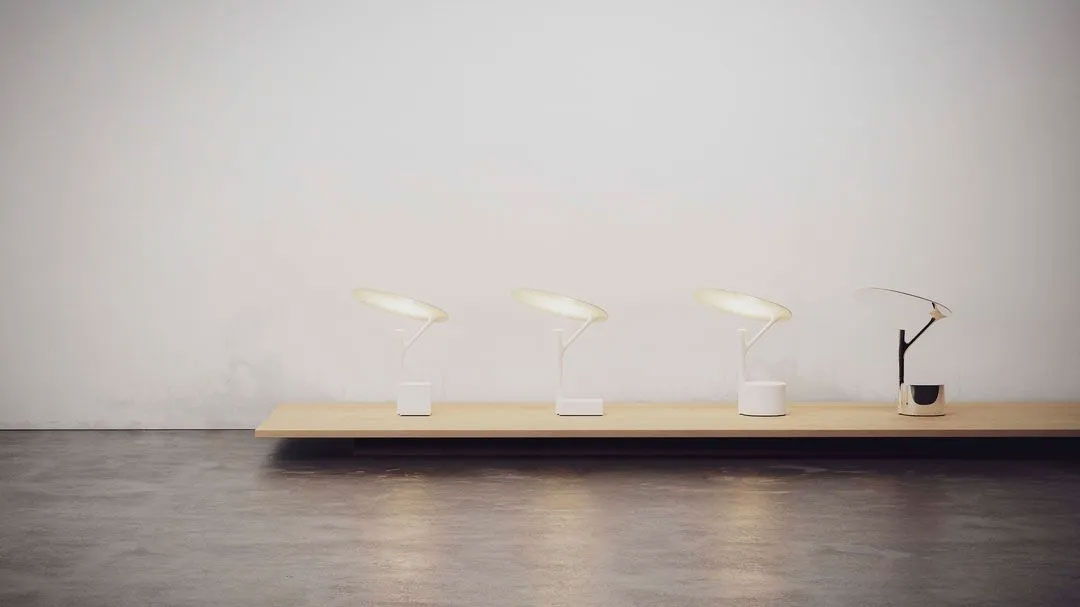
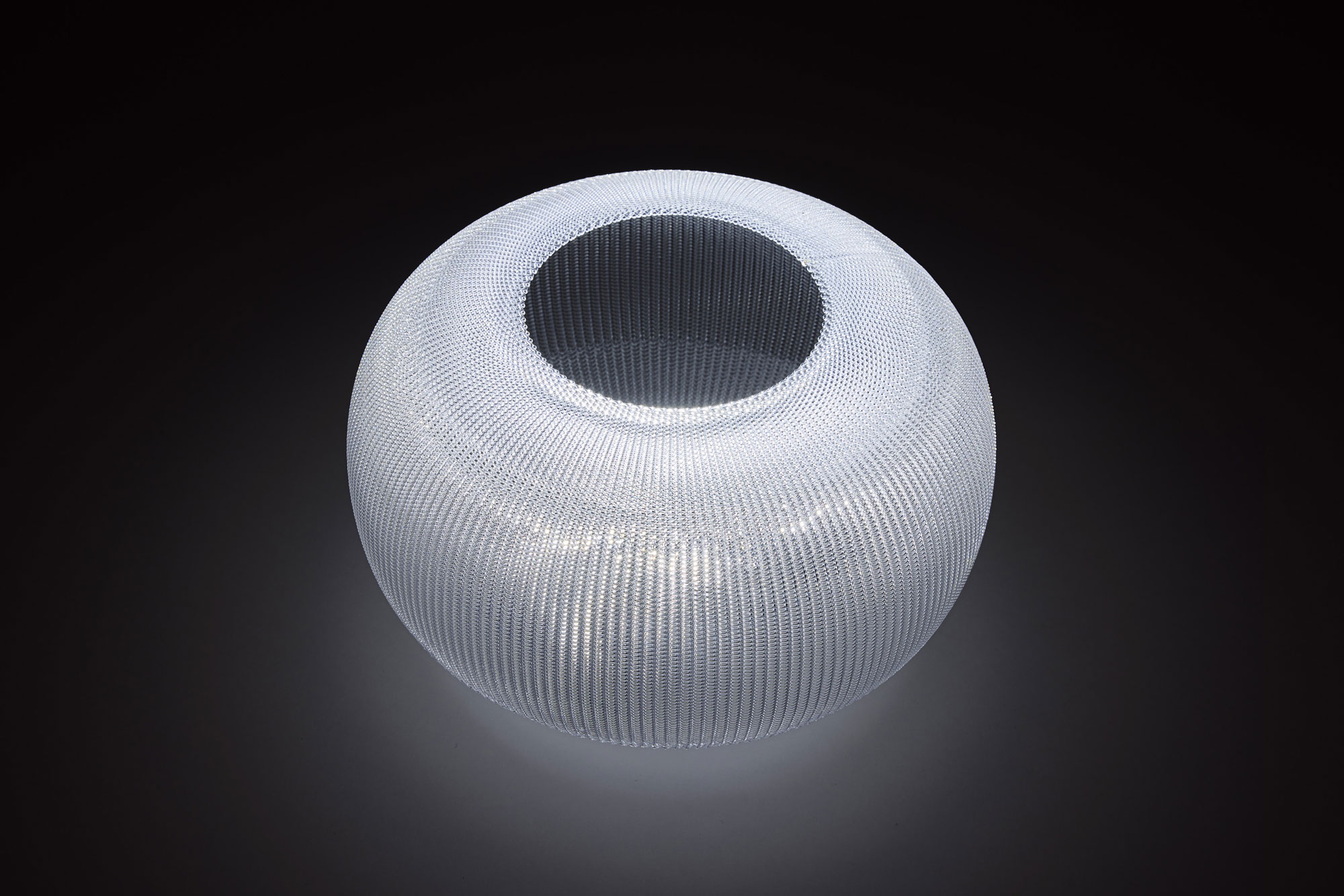
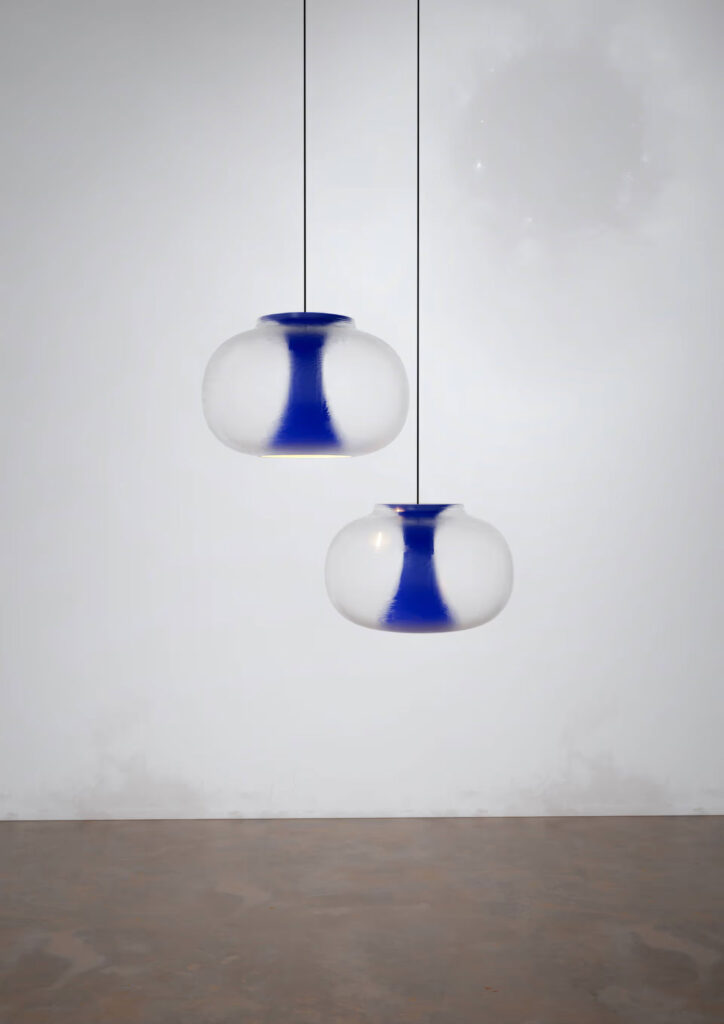
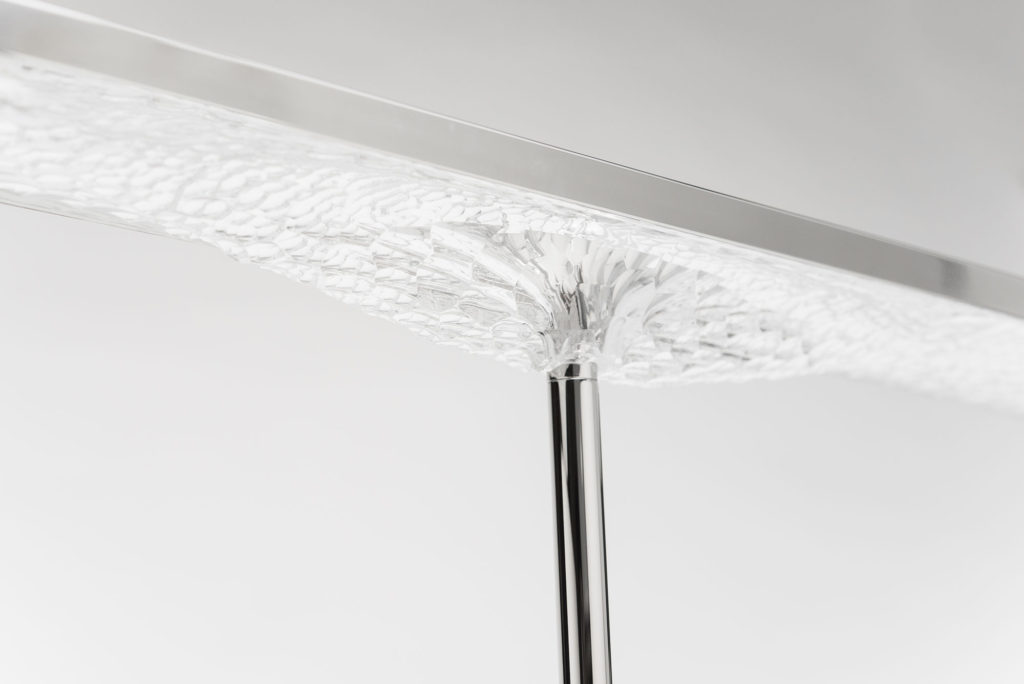
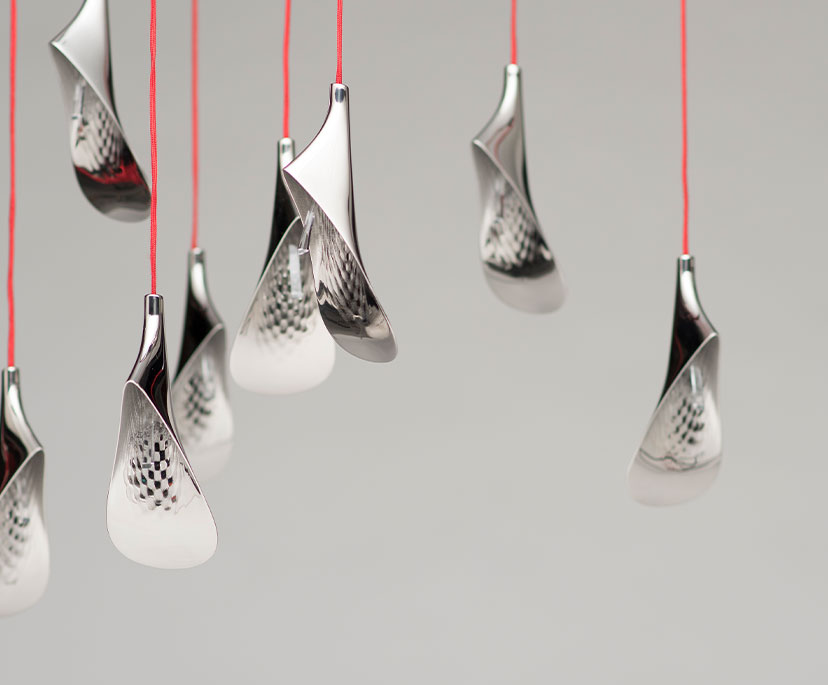
The goal of industrial design is mass production—standardising components and meticulously organising manufacturing processes to minimise uncertainty and achieve consistent quality on a global scale. Design, in this context, becomes more than mere form; it is an expansive framework harmonising technological, cultural, and social dimensions. But how should we define aesthetics within industrial design? While certain mass-produced items exhibit their own unique beauty, it differs fundamentally from the expressive quality found in art or handcrafted objects. This project directly challenges the assumption that the nuanced beauty of artisanal craftsmanship is irreproducible in industrial production. By deliberately incorporating subtle variations typically rejected as anomalies of handmade work into industrially standardised parameters, it reveals hidden, nonverbal aesthetic values. In doing so, the project proposes an inclusive design language, acknowledging the depth of human creativity. Even within uniformity-driven systems, such intentional variations can produce objects imbued with warmth, authenticity, and a meaningful connection to the artistry of their creation.

Fouska

Fouska Images Photo by. Yusuke Nishibe Instagram :@photographeryusukenishibe
For us, sustainability extends beyond superficial ideas of eco-friendliness or the mere application of natural materials and traditional craftsmanship. Instead, it represents a comprehensive communicative framework established through thoughtful design. However, products marketed as “sustainable” simply rebrand traditional concepts such as green design or nostalgic handcrafting for increased marketability. True sustainability emerges when we deeply reflect on fundamental questions: why does this product exist, and what messages or experiences does it aim to convey? In our approach, sustainability begins with a holistic consideration of a product’s complete lifecycle—from material sourcing and manufacturing processes, through its use, and ultimately to responsible disposal or recycling. Integral to this approach is clearly communicating the design’s intent to users and cultivating shared understanding through direct experience. By thoughtfully connecting people, products, society, and the environment, we can shape sustainability into something genuinely meaningful and authentic—that’s what we believe.

About Design Studio "Triple Bottom Line"

Founded by industrial designer Satoshi Yanagisawa in 2014, Triple Bottom Line emerged from a vision shaped by his formative years at renowned UK design studios “Therefore Design Consultancy” and “Ross Lovegrove Studio.” What began as an independent practice evolved into a formal Limited Liability Company in 2020. At the forefront of AI-powered generative design, the studio bridges the gap between cutting-edge technology and thoughtful creation, partnering with leading corporations and research institutions to push the boundaries of product development. Their ongoing collaboration with Autodesk Inc. has positioned them as pioneers in democratizing generative design methodologies. Recognition of their innovative approach includes the Good Design Award for their collaborative work with DENSO Corporation, alongside prestigious international honors such as the CES Innovation Award and iF Design Award, cementing their reputation as leaders in computational design. http://triplebottomline.cc/